
Key Takeaways
- Cotswold Sculpture Park showcases over 200 sculptures from 150 artists across 10 acres of landscaped gardens in Somerford Keynes, Gloucestershire.
- Open April through September (closed Tuesdays and Wednesdays), the park offers a perfect day trip for art lovers visiting the Cotswolds.
- Visitors can purchase sculptures directly from the park, with pieces ranging from small garden ornaments to substantial statement installations.
- The park's proximity to Lower Mill Estate and Cotswold Water Park makes it an ideal addition to a broader Cotswolds itinerary.
- Walking routes through the natural galleries take approximately 1-2 hours, with hidden gems and photo opportunities throughout the winding trails.
Nestled in the picturesque Gloucestershire countryside, Cotswold Sculpture Park offers a refreshing blend of natural beauty and artistic expression that's unlike anything else in the region. This hidden gem sits just minutes away from the popular Lower Mill Estate, creating the perfect cultural addition to your Cotswolds adventure. Art enthusiasts and nature lovers alike will find themselves captivated by this unique outdoor gallery experience curated by Cotswold Sculpture Park, specialists in showcasing contemporary outdoor artwork in magnificent natural settings.
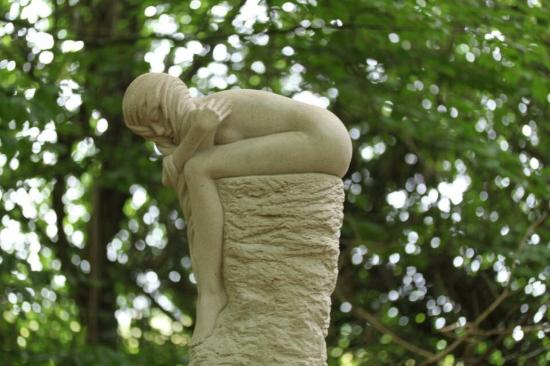
The park transforms 10 acres of woodland, gardens, and meadows into a living gallery where art and nature engage in constant dialogue. Each bend in the path reveals new surprises – from towering metal structures that reach for the sky to delicate stone carvings that seem to emerge organically from their surroundings. What makes this experience particularly special is the changing scenery throughout the seasons, with spring blossoms, summer greenery, and early autumn colors creating different backdrops for the artwork.
At-a-Glance: Your Cotswold Sculpture Park Guide
The Cotswold Sculpture Park serves as both an exhibition space and a sales gallery, making it a must-visit for anyone interested in contemporary sculpture. Located in Somerford Keynes near Cirencester (GL7 6FE), the park operates seasonally from April through September, remaining closed on Tuesdays and Wednesdays. Visitors should note that dogs and picnics aren't permitted on the grounds, though there is a charming café for refreshments. The carefully designed walking route winds through various themed areas, allowing you to experience over 200 sculptures created by approximately 150 artists from around the world.
Beyond just viewing art, the park offers a sensory experience where the sounds of nature – rustling leaves, birdsong, and the occasional distant water feature – complement the visual feast. Photography is encouraged throughout the grounds, with countless Instagram-worthy vignettes waiting to be captured. For those seeking a deeper connection with the artwork, everything displayed is available for purchase, making this a unique opportunity to acquire statement pieces for your own garden or collection.
Explore 10 Acres of Artistic Wonder at Cotswold Sculpture Park
Stepping through the entrance of the Cotswold Sculpture Park feels like entering another world – one where creativity knows no bounds. The park's 10-acre expanse has been thoughtfully divided into distinct "galleries" that flow naturally into one another, each with its own character and artistic theme. From the moment you arrive, your senses are engaged by the juxtaposition of natural beauty and human creativity. The park's founders have cultivated an environment where contemporary art doesn't simply sit within the landscape but actively converses with it.
The diversity of artwork on display is truly remarkable. Monumental pieces crafted from weathered steel create bold silhouettes against the sky, while delicate glass installations capture and play with sunlight. You'll find whimsical creatures carved from wood, abstract forms fashioned from recycled materials, and classic figures rendered in traditional bronze. This variety ensures that visitors with different artistic preferences will all find pieces that speak to them personally. Many first-time visitors are surprised by how accessible the collection feels – you don't need an art degree to appreciate the creativity and craftsmanship on display.
What distinguishes this sculpture park from traditional galleries is the freedom to experience art on your own terms. There are no velvet ropes here, no hushed voices or strict viewing routes. Instead, visitors are encouraged to wander at their own pace, to circle around installations to view them from different angles, and even to touch certain pieces (where indicated). This tactile dimension adds an important element to the experience, connecting visitors more intimately with the artists' work and intentions. For more information, visit the Cotswold Sculpture Park website.
Finding Your Way: Location and Essential Visitor Information
Located in the heart of the Cotswolds, the sculpture park sits in the village of Somerford Keynes, just a short drive from Cirencester. This prime location makes it easily accessible from popular Cotswold destinations like Bibury, Bourton-on-the-Water, and Stow-on-the-Wold. For GPS navigation, use the postcode GL7 6FE, which will guide you directly to the park's entrance. The site is well-signposted once you're in the vicinity, though first-time visitors should be aware that the final approach is along typical narrow Cotswold country lanes.
Getting to Somerford Keynes Near Cirencester
Reaching the Cotswold Sculpture Park is straightforward by car, sitting approximately 4 miles south of Cirencester just off the A419. From London, take the M4 westbound to junction 15, then follow the A419 toward Cirencester before turning off toward Somerford Keynes. Visitors from Bristol can take the M4 eastbound to junction 17, then follow the A429 and local roads. The park is approximately 90 minutes from both major cities, making it perfect for a day trip.
Public transportation options are limited, as is common in rural Cotswolds. The closest train station is Kemble (about 5 miles away), which has direct services from London Paddington. From there, visitors would need to arrange a taxi to complete their journey. For those staying locally, cycling is a pleasant option, with bicycle racks available at the entrance. Many visitors combine their trip with a stay at nearby Lower Mill Estate or other Cotswold accommodations, using the sculpture park as part of a broader exploration of this stunning region.
Parking, Tickets, and Important Rules
The sculpture park offers ample parking free of charge, with dedicated spaces close to the entrance. Tickets can be purchased on arrival, though booking ahead through the official website is recommended during peak summer months and weekends to guarantee entry. Adult admission is reasonably priced, with concessions available for seniors, students, and children. Season tickets represent excellent value for those planning multiple visits throughout the year.
Several important rules help preserve the peaceful atmosphere and protect both the artwork and natural setting. Dogs are not permitted (except service animals), and picnicking is restricted to designated areas only. Photography is welcomed for personal use, but tripods require prior permission. Most importantly, while the park encourages close inspection of the sculptures, touching is only allowed where explicitly indicated. Comfortable walking shoes are essential as the terrain includes gravel paths, grass, and occasional gentle slopes.
Proximity to Lower Mill Estate and Cotswold Water Park
One of the park's greatest advantages is its location within the broader Cotswold Water Park area, just minutes from the luxurious Lower Mill Estate. This proximity makes it an ideal addition to a day exploring the region's lakes and nature reserves. After immersing yourself in art, you can easily continue your day with water activities, birdwatching, or simply relaxing at one of the area's charming pubs or cafés. For visitors staying at Lower Mill Estate's holiday properties, the sculpture park offers a cultural counterpoint to the estate's nature-focused amenities.
The surrounding area boasts numerous walking and cycling routes that connect these attractions, allowing energetic visitors to enjoy a car-free day out. Local tourism offices can provide maps highlighting these connections, with routes suitable for various fitness levels. This integration of cultural and natural experiences exemplifies what makes the Cotswolds such a special destination – the seamless blending of artistic heritage with stunning landscapes.
The Complete Walking Route Through Natural Galleries
The genius of Cotswold Sculpture Park lies in its thoughtfully designed walking route that guides visitors through a series of outdoor "rooms" or galleries. Unlike traditional museums with their linear progressions, this journey feels organic and full of discovery. The main trail forms a rough figure-eight pattern that ensures you won't miss any major installations while still allowing for spontaneous exploration of smaller side paths. The complete circuit typically takes between one and two hours, depending on your pace and how often you pause to appreciate individual works.
As you move through the park, you'll notice how the landscape itself becomes part of the artistic experience. Dense woodland areas create intimate spaces where sculptures seem to whisper their stories, while open meadows showcase bold, dramatic pieces against expansive skies. The transition between these environments happens so naturally that you might not immediately recognize the curatorial intelligence behind each section's design.
Main Trail Map and Navigation Tips
Upon arrival, visitors receive a comprehensive map highlighting the main trail and key installations. The route is additionally marked with subtle ground indicators and occasional signposts at junction points. Rather than following numbered exhibits, the experience is designed to unfold naturally, allowing each visitor to create their own narrative through the space. For those who prefer more structure, guided tours are available on select dates (check the website for scheduling) and offer fascinating insights into the artists' techniques and inspirations. If you're planning an extended visit, explore our Lower Mill Estate trip plans for a comprehensive guide.
First-time visitors often benefit from a counterclockwise approach to the main loop, which provides a gentle introduction through the woodland gallery before opening to more dramatic installations. Photography enthusiasts should note that morning light is particularly magical in the eastern sections, while afternoon sun brings the western meadow sculptures to life with warm golden tones. Don't rush – some of the most memorable pieces are tucked into unexpected corners or partially concealed by seasonal plantings, rewarding attentive explorers.
Hidden Gems and Photo-Worthy Spots
While the map highlights major installations, part of the park's charm lies in discovering its hidden treasures. Keep an eye out for the miniature bronze figures nestled among natural rock formations near the central pond – these playful pieces are easy to miss but delightful to discover. The willow tunnel in the northern section creates a magical green corridor that frames both the path ahead and selected sculptures in unique ways, offering exceptional photography opportunities that change throughout the day as light filters differently through the living structure.
Another unmissable photo opportunity awaits in the reflective pool area, where carefully positioned sculptures create double images in the still water surface. Morning visits often reward photographers with mist rising from this water feature, adding an ethereal quality to images. For those seeking the perfect Instagram moment, the oversized picture frame installation near the eastern meadow allows visitors to literally frame themselves within the landscape, creating a memorable souvenir of their visit. Discover more about the Lower Mill Estate and its scenic attractions.
Accessibility Information for All Visitors
The Cotswold Sculpture Park strives to be accessible to all visitors, though the natural setting presents inherent challenges. Approximately 70% of the main trail is suitable for wheelchair users and those with limited mobility, with firm, level surfaces and gentle gradients. The park maintains several wheelchair-accessible portable toilets and offers a limited number of mobility scooters for pre-booked use (contact the park office directly to arrange). Maps clearly indicate which sections might present difficulties, allowing visitors to plan accordingly.
For visitors with visual impairments, the park welcomes guide dogs and can arrange touch tours of selected sculptures upon advance request. Those with hearing impairments will find the visual nature of the experience particularly rewarding, and written information supplements any audio components. Staff members are trained to assist visitors with various needs and can provide additional support or information as required – simply inquire at the welcome desk upon arrival.
Over 200 Sculptures from 150 Artists
The impressive collection at Cotswold Sculpture Park features over 200 sculptures created by approximately 150 artists from around the world. This remarkable diversity ensures that each visit offers new discoveries and perspectives. From emerging talents to established sculptors, the curation balances different styles, materials, and artistic visions to create a cohesive yet varied experience that appeals to both casual visitors and serious art collectors.
Each piece is carefully positioned to interact with its surroundings, creating dialogues between artwork and environment that shift with the changing light and seasons. The curatorial approach prioritizes works that respond to or enhance their natural setting, rather than merely occupying space within it. This thoughtful integration means that even visitors with limited art background find themselves engaged and moved by the experience of encountering these sculptures in such an atmospheric setting.
Diversity of Materials: From Portland Limestone to Scrap Metal
One of the most fascinating aspects of the park is the incredible range of materials employed by the featured artists. Traditional materials like Portland limestone, marble, and bronze sit alongside contemporary choices such as recycled plastics, weathered steel, and repurposed industrial components. This material diversity not only showcases different artistic approaches but also demonstrates how different substances interact with the natural environment over time – some developing rich patinas, others reflecting seasonal changes in their surroundings.
The juxtaposition of these varied materials creates intriguing visual conversations throughout the park. A delicate glass piece might capture and transform sunlight beside a massive rusted steel structure that seems to emerge organically from the earth. Wood carvings develop subtle weathering patterns that enhance their organic forms, while polished stone surfaces maintain their pristine appearance year after year. For visitors interested in creative techniques, information cards provide insights into the processes behind each piece, from traditional casting methods to innovative digital fabrication.
Standout Pieces You Can't Miss
While each visitor will discover personal favorites, several signature works have become beloved landmarks within the park. "Reaching for the Sky," a 15-foot vertical installation crafted from interwoven metal elements, creates a mesmerizing silhouette against the Cotswold horizon. The piece seems to change dramatically depending on viewing angle and time of day, rewarding repeat observation. In the woodland section, "Guardian Figures" – a series of partially abstracted human forms emerging from oak trunks – create a contemplative atmosphere that encourages visitors to pause and reflect. For those planning a visit, the Lower Mill Estate offers a perfect year-round destination to explore the park and its stunning sculptures.
Near the central water feature, "Reflection" utilizes mirrored stainless steel to capture and distort the surrounding landscape, creating an ever-changing artwork that incorporates clouds, trees, and even visitors themselves into its composition. The whimsical "Bicycle Evolution" series, crafted entirely from reclaimed bicycle parts transformed into animal figures, delights visitors of all ages with its playful ingenuity. Don't miss the sound sculpture "Wind Whispers" in the eastern meadow, where delicate metal elements create gentle harmonics when activated by even the slightest breeze. For those planning a visit, explore Lower Mill Estate for a complete weekend holiday trip plan.
The Story Behind Key Artworks
Each sculpture in the park has its own narrative, often revealed through informational plaques that offer insights into the artist's inspiration and process. "Earth Memory," a spiral formation created from local stone, draws on the area's geological history and ancient human presence in the Cotswolds. The artist spent months studying regional rock formations before creating this piece that seems simultaneously contemporary and timeless. Similarly, "Industrial Heritage" repurposes authentic machinery components from Gloucestershire's manufacturing past into a dynamic sculpture that honors the region's industrial legacy.
The emotional "Family Group" near the woodland edge emerged from its creator's personal experience of displacement and reunion, its simplified forms conveying universal human connections despite cultural differences. Understanding these background stories enriches the viewing experience, transforming abstract forms into powerful expressions of human experience, environmental concerns, or cultural commentary. For visitors seeking deeper engagement, the park occasionally hosts artist talks where creators discuss their work and answer questions about their artistic journey. For more information about the park, visit the Cotswold Sculpture Park website.
Purchase Your Favorite Pieces
Unlike many sculpture exhibitions, virtually everything displayed at Cotswold Sculpture Park is available for purchase. Prices range from affordable smaller works perfect for garden settings to significant investment pieces suitable for public spaces or large private collections. The park operates as both gallery and sales agent, connecting artists directly with potential buyers in a refreshingly transparent process. Each piece comes with full documentation regarding the artist, materials, care requirements, and installation recommendations. For more information on planning a visit, check out this Cotswold destination guide.
For those who fall in love with a particular piece but hesitate about transportation logistics, the park offers comprehensive delivery and installation services throughout the UK and internationally. The sales staff can provide advice about suitable locations, foundation requirements, and long-term maintenance considerations. Many visitors report that purchasing artwork from the park creates a lasting connection to their Cotswold experience, bringing a piece of this special landscape and creative energy into their own environments.
The Unique Garden Setting: Wildlife Meets Art
What distinguishes Cotswold Sculpture Park from traditional gallery spaces is its vibrant, living context. The 10-acre site represents decades of thoughtful landscaping that balances formal garden elements with naturalistic plantings and wildlife habitats. Mature trees provide dramatic vertical elements and dappled shade, while seasonal flowering shrubs and perennials create ever-changing color palettes throughout the opening season. This horticultural backdrop isn't merely decorative – it's an integral part of the artistic experience, framing and sometimes challenging the sculptures themselves. For more about planning your visit, consider exploring the Lower Mill Estate as a year-round destination.
The park's commitment to biodiversity enriches the visitor experience in unexpected ways. Butterflies animate bronze figures with flashes of color, birdsong creates an ambient soundtrack for contemplative areas, and occasionally resident wildlife makes brief appearances along woodland edges. Garden enthusiasts will appreciate the skillful plant combinations that complement specific sculptures, while conservation-minded visitors will note the sustainable management practices evident throughout the grounds, from rainwater harvesting systems to native planting schemes that support local ecology.
Naturalistic Landscape Design
The landscape design brilliantly balances structure with wild beauty, creating distinct "rooms" with different atmospheric qualities. Formal elements like clipped hedges and graveled pathways provide organization and accessibility, while allowing more naturalistic areas to flourish beyond these boundaries. This approach creates fascinating transitions between spaces – you might move from an open, sunlit meadow showcasing bold contemporary pieces into a secretive woodland dell where more intimate sculptures nestle among ferns and mossy stones.
Water features play a crucial role in the landscape design, from the reflective central pond that doubles the visual impact of surrounding sculptures to gentle streams that guide visitors along certain routes. These aquatic elements introduce movement, sound, and changing light effects that animate the static sculptures nearby. Thoughtful seating placement throughout the park encourages visitors to pause and absorb these carefully crafted environments, with benches often positioned to highlight particularly successful integrations of art and landscape.
Seasonal Changes and Best Times to Visit
Each month brings distinctive charms to the sculpture park experience. April and May feature vibrant spring bulbs and blossoming trees, creating colorful backdrops for the art installations and an atmosphere of renewal. By June and July, the gardens reach their lush summer peak, with rich foliage providing green counterpoints to the sculptural forms and longer evenings allowing for extended visiting hours on selected dates. Late August and September bring golden light and the beginning of autumn colors, often considered by photographers to be the most atmospheric time to capture the relationship between art and landscape. For those planning a trip, consider exploring the Lower Mill Estate for a comprehensive year-round destination experience.
Weather conditions dramatically affect the visitor experience, with each bringing its own magic. Bright sunshine creates sharp shadows and highlights textural details in stone and metal works, while overcast days often enhance the subtle coloration of ceramic and glass pieces. Light rain can transform the park entirely – polished surfaces gleam more intensely, water features become more animated, and fewer visitors mean a more contemplative experience. For those seeking solitude with the sculptures, weekday mornings typically offer the quietest periods, while weekend afternoons attract more sociable crowds and occasionally feature impromptu talks from visiting artists.
Plan Your Visit to Maximize Enjoyment
To make the most of your Cotswold Sculpture Park experience, consider allowing at least two hours for your visit – though many visitors find themselves lingering for half a day or longer. The park's seasonal opening schedule (April through September) means that weather conditions and natural surroundings vary significantly throughout the year. Each month offers different highlights, from spring blossoms to summer abundance to early autumn colors, making repeat visits rewarding for those staying in the area for extended periods.
Consider timing your visit to coincide with one of the park's special events, which range from artist demonstrations to evening openings with atmospheric lighting that transforms familiar sculptures into entirely new experiences. Checking the official website before planning your trip will ensure you have the most current information about special exhibitions, temporary installations, and any schedule changes. For photography enthusiasts, early morning visits offer the softest light and fewest fellow visitors, creating ideal conditions for capturing the interplay between art and landscape.
What to Bring and Wear
Comfortable walking shoes are essential for enjoying the park fully, as you'll be covering varied terrain including gravel paths, grass areas, and occasional gentle slopes. Dress for the changeable Cotswold weather with layers that can be added or removed as conditions shift – even summer days can bring cool breezes or brief showers. A light waterproof jacket is advisable regardless of forecast, as English weather is notoriously unpredictable, and much of the park's charm lies in how the artworks transform in different light and weather conditions.
Sun protection is important during summer months, as many areas of the park have limited shade. Bringing a water bottle is recommended, though refill stations are available near the café area. Camera enthusiasts will want their equipment, of course, but should note that tripods require advance permission from management. Sketchbooks and portable seating (such as lightweight folding stools) are welcomed for those wishing to linger and draw inspiration from the sculptures, making the park a favorite destination for local art students and amateur artists seeking creative stimulus.
On-Site Facilities
The park offers essential amenities to ensure a comfortable visit, including accessible restroom facilities near the entrance and at the midpoint of the trail. The charming on-site café serves light refreshments, locally sourced where possible, including excellent coffee, homemade cakes, and simple lunch options like soups and sandwiches. Seating is available both indoors and on a pleasant terrace overlooking one of the sculpture gardens, making it a perfect spot to rest and reflect midway through your exploration.
A well-curated gift shop near the exit offers sculpture-related books, high-quality postcards featuring park highlights, and smaller works by exhibited artists – perfect for those who appreciate the sculptures but aren't ready to invest in larger pieces. The shop also stocks handcrafted items by local artisans that complement the park's aesthetic, from ceramics to textiles. For those serious about purchasing larger works, knowledgeable staff can provide detailed information about specific pieces, arrange shipping, and even advise on installation in home gardens or other settings. If you're planning a visit, consider exploring the Lower Mill Estate for a complete Cotswold experience.
Extend Your Cotswold Adventure
The Cotswold Sculpture Park's location makes it an ideal component of a broader exploration of this stunning region. Just minutes away lies the Cotswold Water Park, with its 150+ lakes offering activities from sailing and paddleboarding to birdwatching and swimming beaches. The luxurious Lower Mill Estate, with its architectural holiday homes and nature reserves, sits nearby and makes an excellent base for those wanting to explore the area over several days. Combining art appreciation with outdoor recreation creates a perfectly balanced Cotswold experience that appeals to diverse interests.
The historic market town of Cirencester, known as the "Capital of the Cotswolds," is just a 15-minute drive from the sculpture park and rewards visitors with its impressive church, Roman artifacts, and excellent independent shops and restaurants. For those seeking the quintessential Cotswold village experience, the honeyed stone cottages and peaceful streams of Bibury, Bourton-on-the-Water, and Castle Combe are all within 30 minutes' drive. Many visitors create memorable day trips by combining morning art immersion at the sculpture park with afternoon exploration of these picturesque locations, perhaps finishing with dinner at one of the region's outstanding gastropubs.
Frequently Asked Questions
First-time visitors to Cotswold Sculpture Park often have questions about making the most of their experience. We've compiled the most common queries below to help you prepare for a rewarding visit. Remember that the park staff are exceptionally knowledgeable and friendly, so don't hesitate to ask for guidance or information once you arrive. Their insights often enhance the experience substantially, pointing out easily missed details or sharing background stories about particular pieces.
Visitor Tip: The changing light throughout the day dramatically transforms many sculptures. If possible, plan your route to visit the woodland sections during midday when dappled light is most effective, saving the open meadow areas for late afternoon when the lower sun angle creates dramatic shadows and warm golden tones on metal sculptures.
Weather conditions significantly impact the sculpture park experience, though each brings its own unique atmosphere. Sunny days highlight textures and create dramatic shadows, while overcast conditions often enhance color perception and create a more contemplative mood. The park remains open in light rain, which can actually enhance many sculptures by bringing out hidden colors in stone or creating beautiful patterns on metal surfaces. Only severe weather conditions occasionally necessitate closure for safety reasons.
Many visitors wonder about combining their sculpture park visit with other local attractions. The park's location within the Cotswold Water Park area makes this easy, with numerous outdoor activities available nearby. Staff can provide suggestions for creating perfect day itineraries based on your interests, whether that involves historic sites, nature reserves, or culinary experiences. Local accommodation partners often offer package deals that include park admission, making it simple to plan a multi-day exploration of the area.
How long does it take to explore the entire Cotswold Sculpture Park?
Most visitors spend between 1.5 and 3 hours exploring the full 10-acre site, though art enthusiasts and photographers often stay longer. The main trail can be walked in about an hour at a steady pace, but the real joy comes from taking time to appreciate individual pieces, discover hidden installations, and simply absorb the peaceful atmosphere. There's no rush – your admission ticket allows you to stay until closing time, and many visitors find themselves returning to favorite pieces after completing the initial circuit. For those with limited mobility or time constraints, a focused one-hour route highlighting key installations can be recommended by staff. For more details, you can visit the Cotswold Sculpture Park website.
Can I bring my dog to the Cotswold Sculpture Park?
With the exception of service animals, dogs are not permitted within the sculpture park. This policy exists to protect both the artwork and the carefully maintained landscape, as well as ensuring a peaceful experience for all visitors. Many sculptures include delicate elements or balance points that could be disturbed by even the most well-behaved pets, and the park's wildlife value would be diminished by canine presence. However, the surrounding area offers numerous dog-friendly walking routes where your four-legged companions can enjoy exercise before or after your visit.
- Several nearby pubs welcome dogs in their garden areas
- The Cotswold Water Park has designated dog-friendly walking trails
- Local accommodation increasingly offers pet-friendly options
For visitors traveling with pets, several local kennels offer day-care services by prior arrangement. The park's website maintains an updated list of recommended providers within easy driving distance. Alternatively, family groups might consider taking turns visiting the park while others enjoy dog-friendly activities in the surrounding area – the site's reasonable entry fee makes this an economical option for larger parties.
Many local accommodation providers now recognize the importance of pet-friendly policies, with an increasing number of cottages, B&Bs and hotels welcoming well-behaved dogs. The park's reception staff can direct you to current options if you're planning an overnight stay in the area and traveling with pets. For more details on planning your stay, check out this Lower Mill Estate guide.
Are there food options available at the Sculpture Park?
The park features a delightful café serving a selection of beverages, homemade cakes, and light lunch options including seasonal soups, artisan sandwiches, and fresh salads. Many ingredients are locally sourced, supporting Cotswold producers and offering visitors a taste of regional specialties. Seating is available both inside and on a pleasant outdoor terrace overlooking one of the sculpture gardens. While picnicking isn't permitted within the main exhibition areas to protect the artworks and maintain the landscape, there is a designated picnic area near the entrance for those who prefer to bring their own refreshments.
Is the Sculpture Park suitable for children?
Children often engage enthusiastically with the sculpture park, responding intuitively to the three-dimensional forms and enjoying the freedom to move around the outdoor space. The park welcomes young visitors and offers a special activity sheet for children that encourages observation and interaction with selected sculptures. While some contemporary art concepts may be sophisticated, the tactile nature of sculpture makes it immediately accessible even to young visitors. Parents should note that supervision is essential, as some artworks include delicate elements or water features. The varied terrain with its hidden corners and surprise elements creates a natural adventure playground that stimulates imagination without explicit "children's attractions."
What happens if it rains during my visit?
The sculpture park is primarily an outdoor experience and remains open in most weather conditions, including light rain. In fact, many regular visitors specifically choose overcast or misty days for the atmospheric quality they bring to the sculptures and landscape. Sheltered areas exist at several points along the trail, providing refuge during brief showers, and the café offers a comfortable indoor space if weather temporarily worsens. Umbrellas are available for purchase in the gift shop, and the woodland sections provide natural canopy cover during light precipitation. Only in cases of severe weather with safety concerns would the park consider closing, in which case ticket holders would be offered rescheduling options.
For those planning ahead, checking the weather forecast and dressing appropriately will ensure maximum enjoyment regardless of conditions. Waterproof footwear is advisable even on dry days, as morning dew can make grass paths slippery. Many photographers specifically target post-rain visits, when sculptures glisten with moisture and reflective surfaces come alive with doubled images and dramatic sky reflections.
Recent Comments